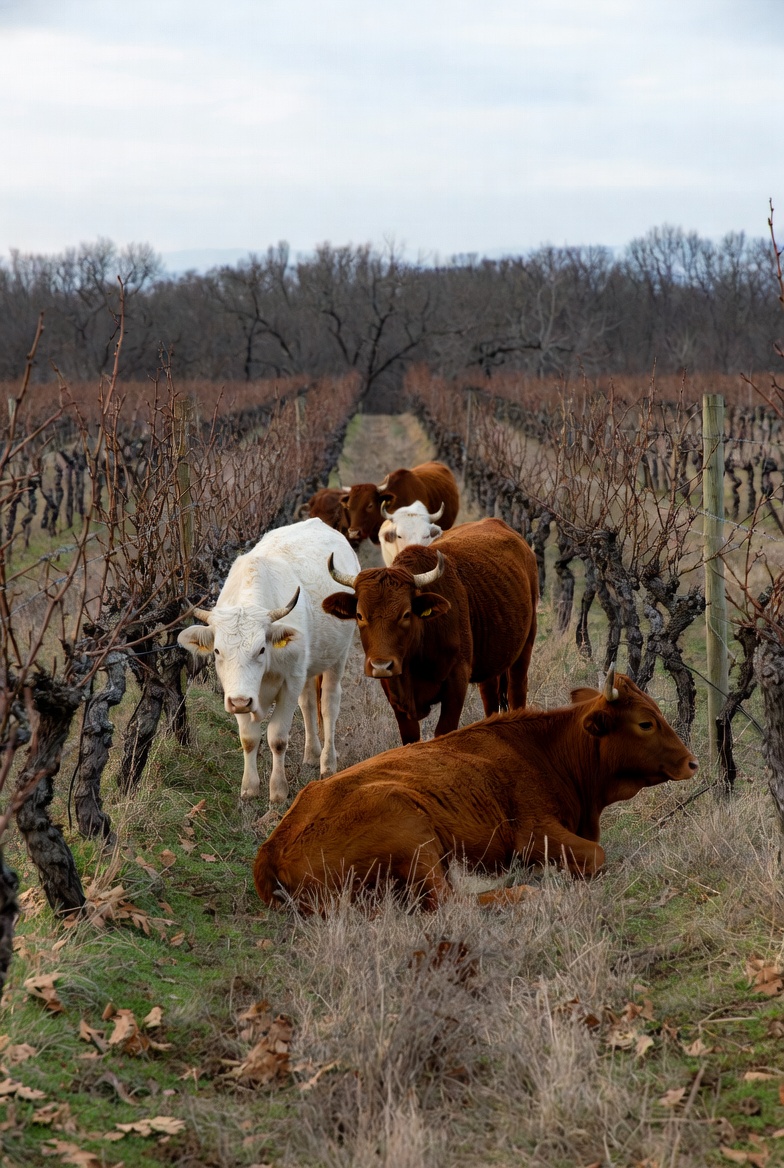
Production cost comparison between conventional viticulture and regenerative agriculture
This study evaluates the farm-level economic implications of adopting regenerative agriculture (RA) versus conventional viticulture (CV) in Sonoma County, CA.
Heatwaves are a reality in most wine-producing countries. Allowing vines to recover as soon as possible after extreme heat events is crucial for producing quality grapes for wine production.
Grapevine grafting is an essential part of winemaking. We need the scion varieties to produce high-quality wines, but we also require the rootstocks to provide the necessary resistance against phylloxera and other pathogens or environmental factors.
Grapevine trunk diseases (GTD) can lead to substantial economic losses at the farm and/or winery scale.
Leaf removal is a practice widely applied throughout most wine-growing regions for various reasons, including improving sunlight penetration to promote bud fertility, exposing bunches to achieve a specific wine style, maintaining an ideal canopy density to ripen high-quality fruit, and manipulating bunch microclimate to lower disease pressure.
In the ongoing battle against Leafroll virus, the management of mealy bug populations remains essential due to its “virus vector” status.
Cluster thinning is a practice widely used in the context of fine wine production in South Africa.
Producing more grapes with the same amount of water is a way to increase water use efficiency. It also ensures economic sustainability in areas where rainfall is limited, and irrigation…
Sulphur is heavily relied upon in organically farmed vineyards to control powdery mildew.
Petri disease is a grapevine trunk disease responsible for the decline and dying of young vines a few years after planting. Phaeomoniella chlamydospora (Pch) is one of the main Petri…